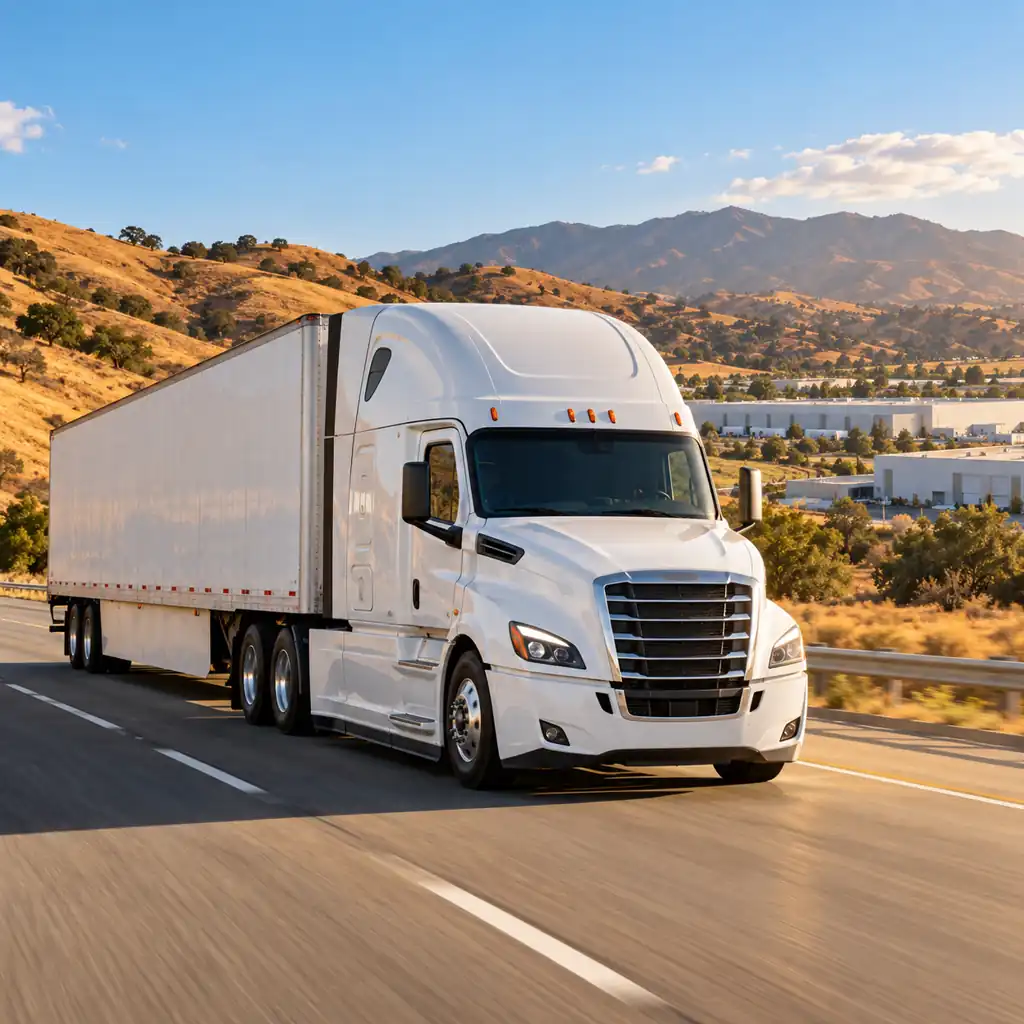
Extra liability limits above your general liability, auto and employer’s liability, for bigger contracts and bigger risks.
A commercial umbrella adds liability limits on top of your existing policies. If a claim uses up your general liability, commercial auto or employer’s liability limits, the umbrella can respond.
Larger contracts often require higher limits than a single policy provides. An umbrella is usually the most affordable way to meet them.

Extra limits for injury and property damage claims.
Extra limits for serious vehicle accidents.
Extra limits for lawsuits over workplace injuries.
Higher limits that larger jobs and property managers require.
How much extra coverage you choose.
The limits and carriers on your other policies.
Number and type of vehicles you operate.
How risky your operations are.
The terms get used interchangeably, but they’re not always the same thing. California’s Department of Insurancer describes umbrella coverage as protection over and above the limits of basic liability policies that sometimes offers broader coverage too.
In general:
Read the declarations and the schedule of underlying insurance. The label on the policy doesn’t tell you how it actually works.
Commercial umbrella insurance requires you to carry specific minimum limits on your underlying policies, usually general liability, commercial auto and employer’s liability. Those requirements are listed in the umbrella’s schedule of underlying insurance.
This matters for two reasons:
Employer’s liability limits are a common trouble spot. Default limits on a workers’ compensation policy may be lower than the umbrella carrier requires. We check each underlying policy against the schedule.
Most commercial umbrella insurance policies have an each-occurrence limit and an aggregate limit. Claims paid under one underlying policy can use up the umbrella’s aggregate for others. If you work under several contracts that each require a high limit, ask whether the umbrella’s aggregate is shared or whether any per-project limits apply.
Also check how defense costs are handled. Some umbrellas pay defense costs in addition to the limit, while others count them against it. On a large lawsuit, that difference can matter.
For many businesses, the biggest liability risk isn’t the everyday claim. It’s the rare one that exceeds a single policy’s limit: a serious vehicle accident, a fire caused by your work or a catastrophic injury on a job site.
Commercial umbrella insurance is designed for that kind of loss. It’s also how many contractors meet contract requirements for limits higher than a standard general liability policy provides. Businesses with several trucks on the road often find their auto exposure is the main reason to carry one.
Some carriers only write an umbrella when they also write your underlying general liability or auto. Others will sit above any qualifying policy.
When a contract requires a high limit, the general contractor will usually want to see the umbrella on the certificate along with the underlying policies. Many contracts also require the umbrella to extend additional insured status and to be primary and non-contributory to the GC’s own umbrella.
Not every umbrella does that automatically. Some follow the underlying additional insured endorsements; others need specific wording. Send us the contract before you sign so we can check whether your umbrella meets it.
An umbrella is easy to set and forget, but it depends on everything underneath it. Review it when:
Aligning the umbrella’s term with your underlying policies also makes certificates simpler and reduces the risk of a gap between them. If the dates don’t line up today, we can work toward that at renewal.
Start with the highest limit any of your contracts require, then consider your vehicles, the type of work you do and what your business owns. For California employers, the contract often sets the minimum. For businesses with several vehicles on the road, auto exposure is often the bigger driver.
Some businesses also weigh what they own. A judgment above your limits can reach business assets, so a business with significant equipment, property or savings may choose a higher limit than any contract requires.
Send us your current policies and the insurance section of your contracts. We’ll check underlying limits, compare umbrella and excess options and coordinate them with your general liability, commercial auto and workers’ compensation.
Send us the requirements from your contract, lease or credentialing packet, including the certificate holder, additional insured and waiver of subrogation, so we can review your request.
An umbrella can sometimes cover claims your underlying policies don’t, while excess liability usually follows the underlying policy’s terms exactly. We’ll explain which one you’re being offered.
Start with your contract requirements and your assets. We’ll help you compare options.
It’s the amount you pay on a claim the umbrella covers but your underlying policies don’t. It works like a deductible and applies only to that broader coverage.
Not the statutory benefits. It can sit above the employer’s liability part of your workers’ compensation policy, which responds to lawsuits over workplace injuries.
Not always, but some carriers prefer or require it. What matters most is that your underlying limits meet the umbrella’s schedule.
The umbrella usually still acts as if the required underlying limit were in place, so you could be responsible for the gap. Keeping every underlying policy active is essential.
Some umbrella policies can be endorsed to follow your additional insured and primary and non-contributory obligations, but not all do. Check this if your contracts require it.
Send us your current policies and contract requirements and we’ll compare options.
Tell us a little about your business. A licensed broker will follow up.