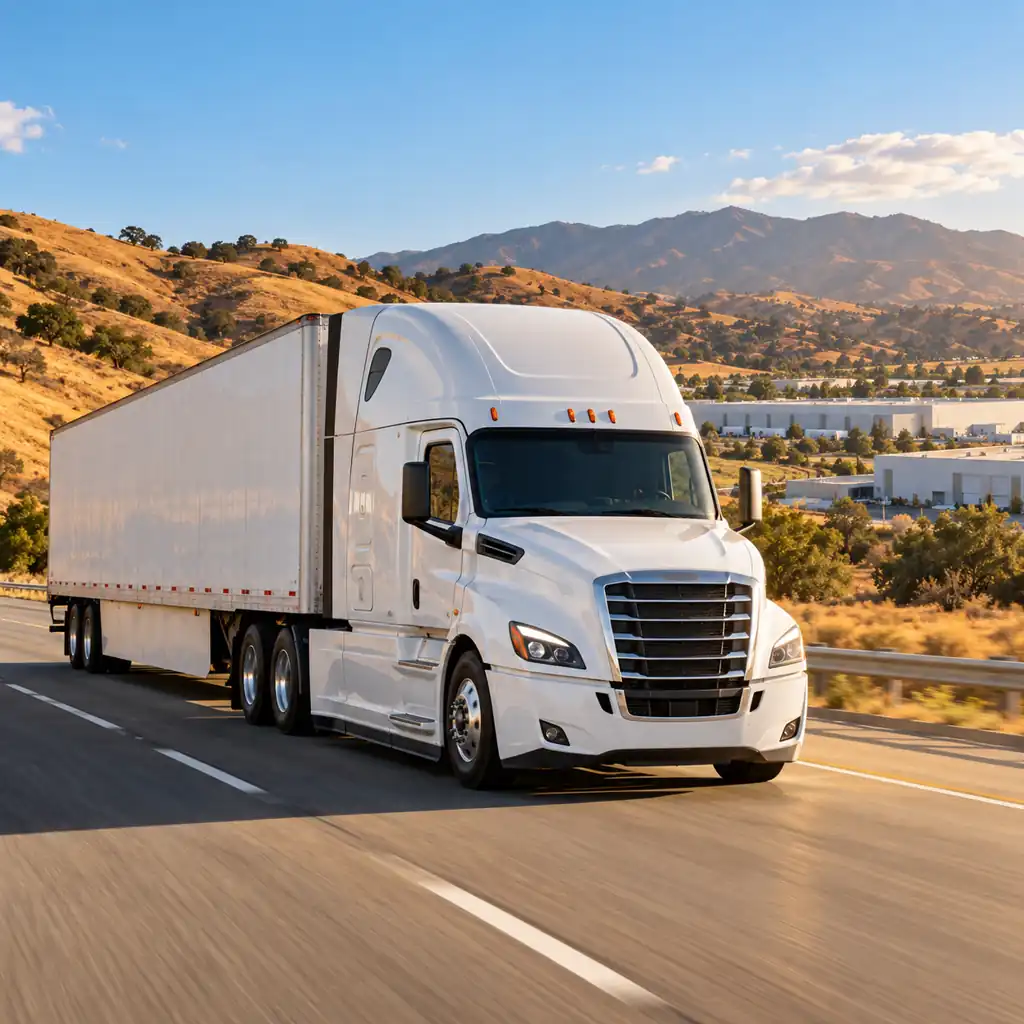
Coverage for the trucks, vans and trailers your business depends on, and for employees who drive for work.
Personal auto policies often exclude or limit coverage for vehicles used for business. If a truck is titled to your business, carries tools and materials, or is driven by employees for work, you likely need commercial auto.
We’ll look at how each vehicle is used and who drives it, then compare options from multiple carriers.
Injuries and property damage you cause to others in an accident.
Collision and comprehensive coverage for your own vehicles.
Protection when the other driver has little or no insurance.
Liability when employees use rented or personal vehicles for work.
The size, weight and value of each vehicle.
Radius of travel, what you haul and how often.
Driving records and experience of everyone who drives.
Past accidents and claims on your business vehicles.
California requires liability coverage of at least $25,000 per person and $50,000 per accident for bodily injury, and $25,000 per accident for property damage, according to the California Department of Insurance. Those minimums apply to commercial auto insurance in California too.
For a business, they’re a floor, not a target. A single accident with a loaded work truck can exceed them, and many contracts require higher limits. The state’s own business insurance guide encourages businesses to consider limits higher than the legal minimum. Many businesses choose a combined single limit and add a commercial umbrella on top.
Commercial auto policies use numbered symbols to say which vehicles each coverage applies to. They look like a code, but the idea is simple. A few of the most common:
Contracts sometimes require “any auto” liability. If your policy uses symbol 7 instead, the certificate may not satisfy the contract. Ask us to check before you sign.
If an employee runs to the supply house in their own pickup and causes an accident, the injured party may sue your business. Their personal policy responds first in many cases, but the claim can exceed it. Non-owned auto liability protects your business in that situation.
Hired auto liability does the same for vehicles you rent, lease short-term or borrow. Neither covers damage to the employee’s own car, and they’re liability coverages for your business, not a substitute for the employee’s personal insurance. Businesses with no owned vehicles can often buy hired and non-owned auto on its own or as an add-on to a business owner’s policy.
Trailers usually need to be listed on the policy. Liability often follows the vehicle towing the trailer, but physical damage to the trailer itself needs its own coverage. Equipment on the trailer, such as a mower or skid steer, is usually covered under inland marine or contractor’s equipment coverage rather than auto.
If you haul for others, carry hazardous materials or cross state lines, tell us. Those details change the type of policy and filings you may need.
Businesses that operate as motor carriers subject to federal financial responsibility rules may need an MCS-90 endorsement on their auto liability policy. It’s a federal form required under 49 CFR 387.15.
The MCS-90 is designed to protect the public. It obligates the insurer to pay a final judgment within the required limits even when the policy might not otherwise cover the accident, and the insured agrees to reimburse the insurer for those payments. It isn’t extra coverage for you. If you run trucks for hire, see our trucking insurance page.
Liability pays for damage you cause to others. Physical damage pays for your own vehicles. Collision covers damage from hitting another vehicle or object. Comprehensive covers other causes, such as theft, vandalism, fire, falling trees and hail.
Each coverage has its own deductible, and many businesses choose physical damage only for newer or financed vehicles. If a vehicle is financed or leased, the lender usually requires both coverages and may need to be listed on the policy. For older trucks, compare the premium against what the vehicle is actually worth.
How a vehicle is titled and used affects which policy should cover it. A truck titled to the business generally belongs on a commercial auto policy. A truck titled to you personally but used mainly for work may also need commercial coverage, depending on the carrier and how it’s used.
The safest approach is to tell us exactly how each vehicle is titled, who drives it and what it’s used for. Gaps tend to show up when a personal policy is asked to cover a business claim it was never written for.
Uninsured motorist coverage pays for injuries and, depending on the policy, vehicle damage when the at-fault driver has no insurance or not enough. California offers more than one way to structure it, and the choice can change how much is available after an accident.
Ask us to explain the uninsured motorist option on your commercial auto insurance in California before you sign a selection or rejection form. Your employees driving company vehicles depend on it too.
Carriers rate commercial auto insurance in California heavily on who drives. Before you hire a driver, it’s wise to check their motor vehicle record and confirm the carrier will accept them. Keep your driver list current, including family members who drive company vehicles.
Tell us when you add or sell a vehicle, change how a vehicle is used or start traveling farther from home base. Coverage is based on what you reported.
Send us the requirements from your contract, lease or credentialing packet, including the certificate holder, additional insured and waiver of subrogation, so we can review your request.
Often not. Many personal policies limit or exclude business use. We can review how you use your vehicle and tell you what fits.
Listed drivers on your commercial auto policy are covered in your vehicles. Hired and non-owned auto coverage can protect your business when employees use their own cars for work.
Usually not. Tools and equipment are typically covered separately with inland marine or contractor’s equipment coverage.
California requires at least $25,000 per person and $50,000 per accident for bodily injury and $25,000 per accident for property damage. Most businesses carry higher limits because contracts and real-world claims often call for them.
It refers to symbol 1, the broadest liability option, which covers owned, hired and non-owned vehicles. Some contracts require it, so check whether your policy uses symbol 1 or a narrower symbol.
You may still need hired and non-owned auto liability if employees drive their own cars or rented vehicles for work. It protects your business, not the vehicle.
Not always. Trailers often need to be listed, and physical damage to the trailer needs its own coverage. Equipment carried on it is usually covered under inland marine.
It’s a federal endorsement for certain motor carriers that guarantees payment of judgments to the public within required limits. The insured must reimburse the insurer for payments the policy wouldn’t otherwise have covered.
List your vehicles and drivers and we’ll compare options from multiple carriers.
Tell us a little about your business. A licensed broker will follow up.